Denim Tears Tees and Shirts: A Buyer’s Guide
With most brands the tee is the cheapest way in; with Denim Tears that is technically true but practically misleading. The graphic on the chest is not decoration bolted onto a blank; it is the whole reason the garment exists. Tremaine Emory started the label in 2019 and built its visual language around the cotton wreath, a motif that references the history of cotton cultivation, the transatlantic slave trade and African-American experience. That context is present on every short-sleeve piece the label prints, and it changes how you ought to evaluate one. The flagship may be a denim tears hoodie, though most people start with the shirts. This breakdown covers what you get for the money in 2026, where the tees and the button-ups part company, and where a denim tear shirt sits against the heavier pieces in the line.
Denim Tears Tees Versus the Standard Graphic Shirt
A streetwear tee ages as quickly as the reference printed on it, because most are built around a logo, a season, or a joke. The central graphic has been essentially fixed since the brand’s earliest releases, and that is where Denim Tears diverges. Put a 2021 tee beside a 2026 tee and they read as one family, not as artefacts of different seasons. The wreath is normally a screen print, sometimes a single flat colour, sometimes two or three passes that give the Tremaine Emory denim tears cotton bolls dimension. Chest-centred, sleeve, back-panel and all-over treatments have all appeared over the years — placement varies far more than the motif. Knowing this matters at the point of purchase, since you are picking between arrangements of a constant rather than between competing ideas. The practical effect is that a denim tear shirt dates slowly, which is a genuine argument for paying more than you would for a seasonal graphic.
The Blank Under the Print
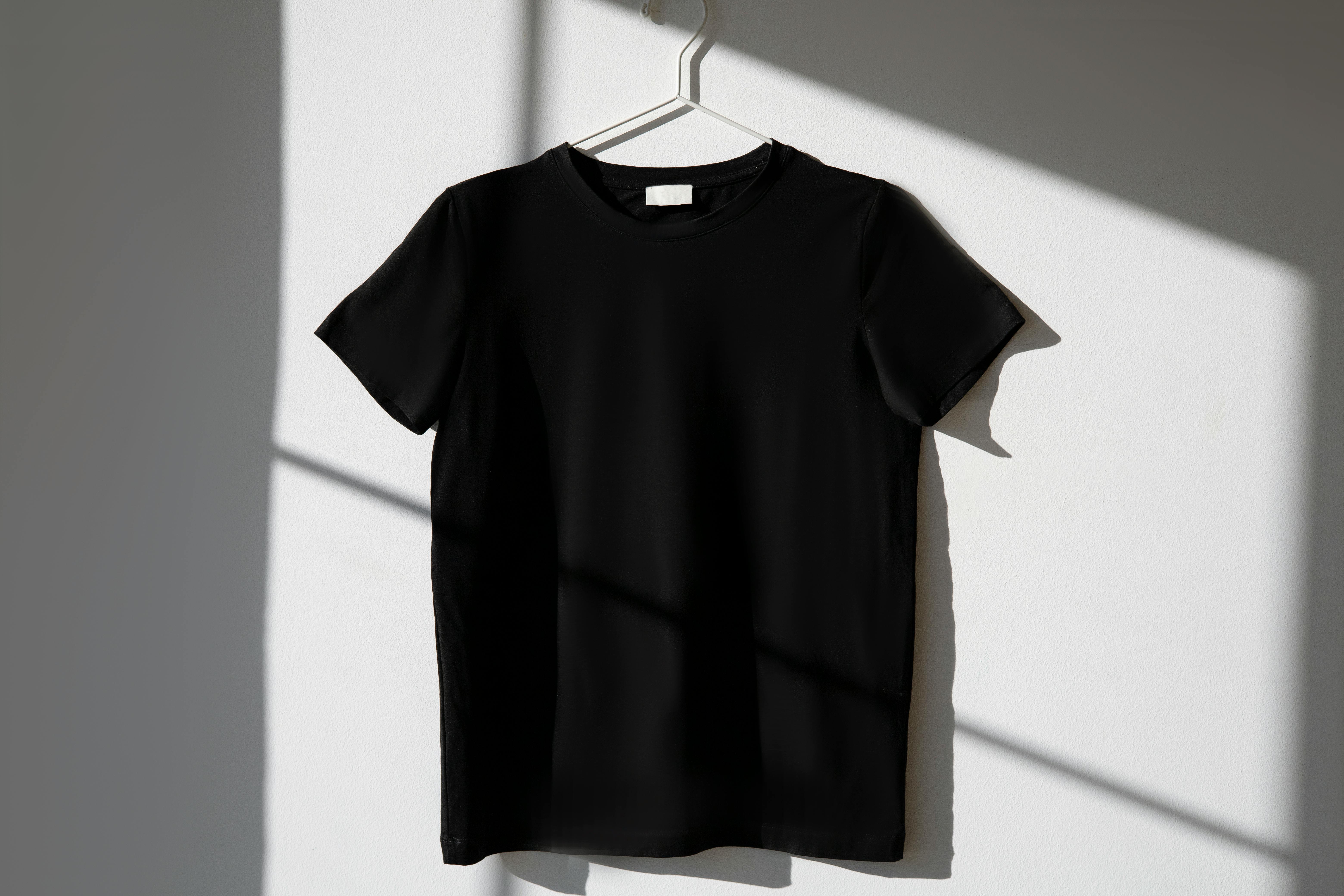
Attention goes to the graphic, and the body of the garment is what surprises people. Mid-weight jersey at one end, considerably heavier boxy bodies at the other, the blanks vary widely, and the difference shows the moment you handle one. As a rough guide, a standard cotton tee sits around 180 to 220 grams per square metre, while a heavyweight boxy body sits at 230 to 280 grams. Heavier cloth hangs with more structure, resists collar roll, and holds a print without every fibre showing through the ink. The heavier cloth also runs hotter, something to weigh if you are somewhere warm and intend to wear it alone rather than as a base layer. Long-sleeve versions sit at the heavier end, since the extra cloth needs the body weight to balance visually.
Print Quality, and How It Ages
A screen print is a consumable, not a permanent feature — worth knowing before you spend three figures. Dozens of careful washes is what a good plastisol or water-based print on a quality blank will take. Plastisol sits on top, stays sharp longer, and cracks rather than fades; water-based ink soaks in, softens fast, gives a broken-in look sooner and fades more visibly. The gradual softening of a print is part of why older Denim Tears pieces develop character, and neither ink behaviour counts as a defect. Cold water, inside out, dried flat: that is the biggest lever you have over how long the graphic lasts. Nothing ruins a healthy shirt faster than heat on ink, so keep the iron off the print.
2026 Price Bands and What Each One Buys
Certain releases and collaborative pieces are exceptions to the pattern, but pricing across the line has been broadly stable in recent years. Ranges, not single figures, and they are 2026 market estimates rather than fixed retail quotes. Retail and resale can diverge a long way, with sought-after colourways and older drops trading well above the numbers shown. When something is priced far under the bottom of these bands, take a careful look at the seller and at the stitching. Because two collector audiences are in play, so collaborative pieces carrying a partner mark command a premium, sometimes a large one. The table lines the short-sleeve and shirt categories up against the heavier pieces so the position of a tee is clear.
| Item | 2026 Market Estimate (USD) | Fabric Weight, Typical | Fit Character |
|---|---|---|---|
| Short-sleeve graphic tee | $100–$200 | 180–220 gsm jersey | Straight, edging toward boxy |
| Boxy heavyweight tee | $130–$200 | 230–280 gsm jersey | Wide, short body, structured |
| Tee, long sleeve | $140–$220 | 220–260 gsm jersey | Easy fit, longer sleeve |
| Woven button-up shirt | $200–$350 | Shirting or denim, as it happens | Roomy, cut as camp or workshirt |
| Denim Tears hoodie | $250–$400 | 380–480 gsm fleece | Oversized with a dropped shoulder |
How to Size a Tee You Cannot Try On
The fit landing differently than expected is the standard complaint when buying denimtears pieces online — nearly always a sizing decision rather than a manufacturing one. A large in a heavier boxy body behaves like a roomy medium in length and a generous large in width, because the cut is short and wide. For standard jersey tees, start from your usual size in comparable labels, because they follow conventional streetwear sizing fairly closely. If you intend to layer the shirt under a denim hoodie or an unlined jacket, sizing down one step gives a cleaner silhouette. Lay a shirt you already like flat on a table, measure it, then set pit-to-pit and hem-to-shoulder against the seller’s numbers — that is the reliable method. The measurements are the one piece of real information in a listing, since relaxed and oversized mean different things at every brand.
A Working Order of Operations Before You Buy
The order matters more than any single step, none of which is complicated on its own. Most bad buys happen because price gets settled first and fit last, which is precisely backwards. Before a single listing is open, deciding how the shirt will actually be worn narrows both weight and size, and that narrowing is what protects you later. Measurements taken from a garment you already own convert a vague preference into two numbers a seller can either match or fail to match. Only after those numbers exist do inspecting construction and comparing price become real work rather than browsing. Think of the sequence as a filter that removes options, not a checklist you run through after the decision is made.
- On its own in summer, or layered? That one answer decides weight and size, so settle it first.
- Record pit-to-pit, body length and sleeve length in inches off a shirt you own and wear often.
- The size label is not enough — ask the seller for flat measurements and compare them yourself.
- Clean registration and no ghosting between colour passes — check close-up photographs of the print edges.
- Check the neck ribbing and hem stitching, the two places cheap reproductions most reliably come apart.
- A price far under the 2026 bands above should slow you down, so compare the asking price before committing.
How the Tees Fit Alongside the Rest of the Line
Treated as one element of a small rotation, a short-sleeve piece performs best, which is how it is usually bought anyway. Leg wreath and chest wreath are one motif at two scales rather than two competing graphics, which is why a tee works cleanly with denim tears jeans. Where both pieces carry heavy prints, a plainer bottom keeps the outfit from tipping into costume. Alongside denim tear pants in fleece or twill, a heavyweight tee balances the volume better than thin jersey, which reads undersized next to a wide leg. Under a denim hoodie, a lighter tee is the better choice, since bulk compounds quickly in fleece. Let one piece carry the graphic and keep everything else quiet — it is the most durable approach.
The Verdict, Honestly
A Denim Tears tee is expensive relative to its raw materials and reasonable relative to what it is, a piece of wearable graphic design with a specific and serious reference behind it. Should you want the least expensive entry into the brand, a short-sleeve piece in the $100 to $200 estimate band is it, and a low-risk way to see whether the fit suits you. If you want what most people picture when they hear the name, the jeans and hoodies carry more of the brand’s weight and tend to hold value more predictably on the secondary market. Buyers who care about longevity should prioritise heavier blanks, as a 250 gram body takes more wears than a 180 gram one. Buyers who want to wear the thing constantly through a hot summer should go the other way, guilt-free. Understanding what the wreath refers to is part of buying it honestly, whichever way you go — and treating that history with care costs nothing.
Leave a Reply